Mon - fRIDAY 9.30am - 4.30pm - Most Saturdays - 10am - 1pm

Thyroid Medication causing more problems than it's worth
Thyroid Medication causing more problems than it's worth While conventional medicine presents synthetic thyroid hormones as the gold standard, a growing body of patient experience suggests that this "solution" may actually be compounding the very problems it claims to fix.
FATIGUE FEMALE HEALTHSUPPLEMENTS NUTRITION PARASITESTOXINSWELL-BEINGPOISON THYROID CONDITIONS
Benjamin McAvoy
11/4/20243 min read
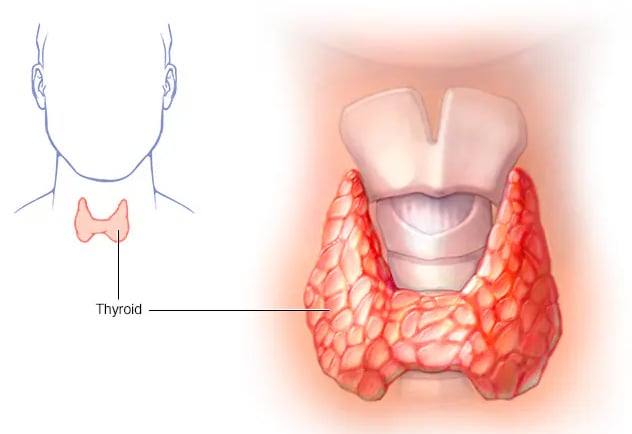
Thyroid Medication: Is It Really Helping, or Hurting?
If you’ve been diagnosed with a thyroid disorder, you’ve likely been handed a prescription for levothyroxine without a second thought. But here’s the uncomfortable question more patients are starting to ask: What is the point of taking this medication if it merely trades one set of symptoms for another?
While conventional medicine presents synthetic thyroid hormones as the gold standard, a growing body of patient experience suggests that this "solution" may actually be compounding the very problems it claims to fix.
The Burden of Hypothyroidism
Before treatment, the hallmark symptoms of an underactive thyroid (hypothyroidism) can be debilitating. They represent a systemic slowdown of your body's metabolism. Common complaints include:
Energy & Temperature: Persistent fatigue, increased sensitivity to cold, and a slowing heart rate.
Metabolic Changes: Unexplained weight gain, constipation, and fluid retention leading to a puffy face.
Integumentary (Skin & Hair): Dry, coarse skin; thinning, brittle hair; and a hoarse voice.
Musculoskeletal: Generalized muscle weakness, aches, tenderness, and stiffness.
Neurological & Mood: Depression, memory lapses ("brain fog"), and anxiety.
Reproductive: Heavier, irregular, or prolonged menstrual cycles.
These symptoms signal a body struggling to produce enough endogenous thyroid hormone to maintain homeostasis. The logical intervention, therefore, appears to be hormone replacement.
The Synthetic Solution (And Its Paradoxical Side Effects)
Levothyroxine—available under brand names like Synthroid, Levoxyl, and Unithroid is a synthetic form of T4 hormone. It is designed to supplement or replace your body’s natural output. However, the side effect profile reads less like a cure and more like a pharmacological tightrope walk.
Common Side Effects (Hyperthyroid Mimicry):
When the dose is too high or poorly calibrated, levothyroxine can push the body into a state of iatrogenic (drug-induced) hyperthyroidism. This manifests as:
Unintended weight loss and increased appetite.
Heat intolerance and excessive sweating.
Hyperactivity, nervousness, and irritability.
Mood swings and insomnia.
Tremors and muscle weakness.
Diarrhea, vomiting, and abdominal cramping.
Temporary hair loss and menstrual irregularities.
Serious and Life-Threatening Adverse Reactions:
The stakes become significantly higher when side effects escalate to cardiovascular distress. Patients have reported:
Cardiac Events: Chest pain, shortness of breath, and upper body discomfort indicative of a heart attack.
Congestive Heart Failure: Extreme fatigue, sudden weight gain, and swelling in the lower extremities (edema).
Arrhythmias: Dangerously rapid or irregular heart rhythms requiring immediate emergency care (Call 000).
This is the stark reality of synthetic intervention: a drug designed to normalize your thyroid can, with a slight miscalculation in dosage, place immense strain on your heart and nervous system.
The Flaw in the "One-Size-Fits-All" Approach
Critics of the current standard of care argue that levothyroxine is often dispensed with a dangerous lack of nuance. Many doctors adhere to a rigid protocol, prescribing a standard dose based solely on TSH (Thyroid-Stimulating Hormone) blood levels, while overlooking the patient's clinical symptoms and individual bioavailability.
This blanket approach frequently results in patients being overmedicated or undermedicated, leading to the cyclical frustration of managing side effects without ever resolving the root cause of their endocrine dysfunction. Furthermore, long-term dependence on exogenous synthetic hormones can cause the thyroid gland to atrophy, as the body’s natural feedback loop is suppressed, potentially creating a lifelong dependency that might have been avoidable.
A Pathway Forward: Exploring Natural Alternatives
Given the potential dangers and limitations of synthetic drugs, many functional medicine practitioners and patients are turning toward natural, desiccated bovine (or porcine) thyroid supplements. These bio-identical alternatives contain a full spectrum of thyroid hormones including T1, T2, T3, and calcitonin not just isolated T4. Proponents argue that this holistic profile more closely mimics human thyroid output, leading to smoother energy levels, fewer side effects, and better overall patient outcomes without the violent spikes and crashes associated with synthetic T4.
The Bottom Line
True wellness requires moving beyond a simplistic, pharmaceutical-driven model. It demands personalized care, comprehensive testing (including Free T3, Free T4, and Reverse T3), and an open discussion about alternative therapies that address the patient as a whole, rather than just a lab value. If you are experiencing adverse effects, it is not a sign that you are broken it is a sign that your current protocol may be failing you.
My suggestion would be to try natural bovine supplements.
Levothyroxine is often prescribed to individuals with hypothyroidism, but many experts argue that its use can be problematic.
Some people experience adverse side effects such as anxiety, insomnia, weight fluctuations, and even heart palpitations. These reactions can significantly impact overall health and quality of life, leading some to question the appropriateness of this medication. Critics assert that doctors may overlook the necessity of individualized treatment plans, opting instead for a one-size-fits-all approach.
This can result in patients receiving unnecessary medication without addressing the root causes of their symptoms. Furthermore, long-term use of levothyroxine may lead to dependency, as the body may struggle to produce adequate thyroid hormones independently.
Advocates for more holistic and personalized treatment options argue that alternative therapies could provide safer and more effective results for those suffering from thyroid-related issues.
© 2004 - 2026. All rights reserved. Benjamin McAvoy Integrative Naturopath


Visit
Settlers Blvd
Chisholm NSW 2322
Australia
Hours
Mon – Fri
9.30am – 4.30pm
Alt. Sat 10am – 1pm
Integrative Naturopath, Iridologist and Medical Herbalist Chisholm, NSW. Serving clients in-clinic and via tele-health worldwide.
Join Our Wellness Membership
Get access to exclusive wellness resources, member benefits, and discounts on eligible products and bookings. Choose the membership that fits your wellness journey and start enjoying more from your membership.