Mon - fRIDAY 9.30am - 4.30pm - Most Saturdays - 10am - 1pm

A Comprehensive Guide to Natural Protocols for Spike Protein Support
To understand why certain natural compounds might be beneficial, we must first understand the challenge they are attempting to address. Research has demonstrated that spike proteins from both infection and vaccination can persist in various tissues for extended periods.
FATIGUE SUPPLEMENTS STRESSWELL-BEINGIMMUNE SYSTEMVACCINESCOVID VACCINE DAMAGE
Benjamin McAvoy
12/30/202516 min read
A Comprehensive Guide to Natural Protocols for Spike Protein Support
Introduction: Understanding the Concept of Spike Protein Detoxification
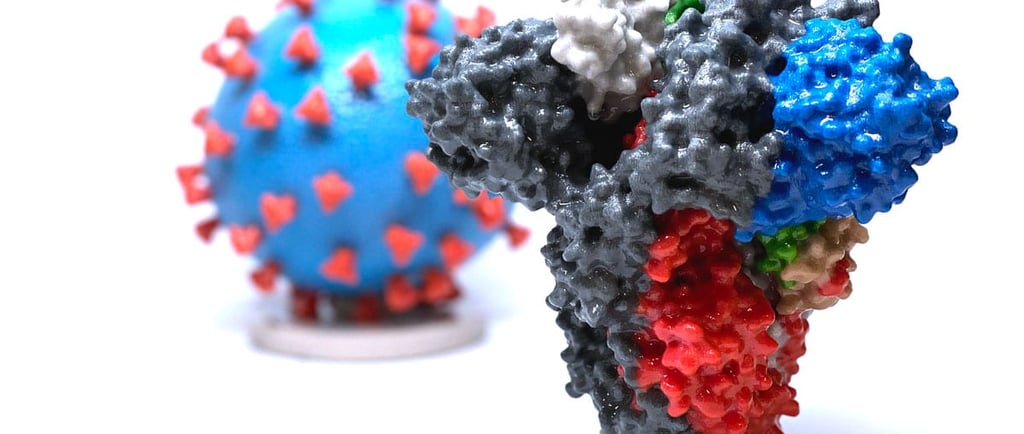
The COVID-19 pandemic introduced the world to the term "spike protein"—the characteristic protrusions on the SARS-CoV-2 virus that allow it to enter human cells. With the widespread administration of COVID-19 vaccines, particularly the mRNA platforms developed by Pfizer-BioNTech and Moderna, these spike proteins have become a topic of ongoing discussion in medical and scientific communities. The vaccines work by instructing cells to produce the spike protein, thereby training the immune system to recognize and respond to future encounters with the actual virus.
However, a growing body of research and clinical observation has suggested that in some individuals, spike proteins—whether from infection or vaccination—may persist in the body longer than anticipated, potentially contributing to a range of persistent symptoms. This has led to the development of proposed protocols aimed at supporting the body's natural mechanisms for processing and eliminating these proteins. It is crucial to state at the outset that the concept of "spike protein detoxification" is an emerging area of clinical interest, and the protocols discussed in this article are based on the biochemical properties of various natural compounds and their historical uses, rather than large-scale, placebo-controlled clinical trials specifically for this purpose .
This guide will explore the scientific rationale behind natural approaches to supporting spike protein clearance, examining the specific herbs, enzymes, and supplements that have been proposed by clinicians and researchers. We will delve into the mechanisms of action, provide specific dosing information where available, and discuss the importance of approaching any supplementation regimen under appropriate medical supervision.
Part One: The Scientific Basis for Spike Protein Clearance
The Persistence of Spike Protein in the Body
To understand why certain natural compounds might be beneficial, we must first understand the challenge they are attempting to address. Research has demonstrated that spike proteins from both infection and vaccination can persist in various tissues for extended periods. A Yale Medicine study led by Akiko Iwasaki, PhD, examined individuals with post-vaccination syndrome (PVS)—a condition resembling Long COVID with symptoms including fatigue, brain fog, and inflammation. The researchers found that spike protein persisted in the body for at least 709 days in some individuals .
This persistence is concerning because the spike protein is not inert. It participates directly in pathophysiology, incites inflammation, and can propel thrombosis (blood clotting) . Autopsy studies of individuals who died after vaccination have found spike protein in the brain, heart, liver, kidneys, ovaries, testicles, and other vital organs. In cases of vaccine-induced thrombotic injury, the spike protein has even been found within the blood clot itself .
Four Mechanisms of Action for Spike Protein Support
Clinicians and researchers have identified four primary mechanisms by which natural compounds may help address persistent spike proteins. These mechanisms form the foundation of what has been termed "Base Spike Detoxification" (BSD) .
1. Proteolytic Degradation of Spike Protein
The most direct approach to eliminating spike proteins is to break them down into smaller, inactive fragments that the body can easily eliminate. This is accomplished through proteolysis—the breakdown of proteins into peptides and amino acids. Certain enzymes have fibrinolytic and proteolytic properties, meaning they can dissolve fibrin (a protein involved in clotting) and break down other proteins, including the spike protein .
2. Inhibition of Spike Protein Binding
The spike protein exerts many of its pathological effects by binding to specific receptors on human cells, most notably the Angiotensin-Converting Enzyme 2 (ACE2) receptor. By blocking this interaction, compounds can prevent the spike protein from causing cellular damage and triggering inflammatory cascades .
3. Dissolution of Spike Protein-Induced Thrombus
One of the most serious consequences of spike protein persistence is the formation of microthrombi—small blood clots that can impair circulation and cause tissue damage. The spike protein can create fibrin structures that are resistant to the body's natural clot-dissolving mechanisms. Certain compounds can directly degrade this abnormal fibrin and upregulate the body's own fibrinolytic pathways .
4. Attenuation of Spike Protein-Induced Inflammation
Even when spike proteins are present without causing immediate clotting issues, they can trigger chronic inflammation through the activation of pro-inflammatory pathways, particularly the nuclear factor kappa B (NF-κB) signaling pathway. By downregulating this pathway, natural compounds can help suppress the inflammatory molecules that contribute to persistent symptoms .
Part Two: The Core Protocol—Nattokinase, Bromelain, and Curcumin
The most extensively documented natural protocol for spike protein support is built around three primary compounds: nattokinase, bromelain, and curcumin. This combination has been proposed by multiple clinicians and researchers, including a detailed protocol published in the Journal of American Physicians and Surgeons and associated with work by Peter A. McCullough, MD, and colleagues .
Nattokinase: The Fibrinolytic Powerhouse
Source and Background
Purchase it right here
Nattokinase is an enzyme extracted from natto, a traditional Japanese food made from fermented soybeans. For centuries, natto has been consumed for its cardiovascular benefits, but only in recent decades have scientists isolated and studied the specific enzyme responsible for many of these effects.
Mechanisms of Action
Nattokinase plays a central role in spike protein support through several mechanisms :
- Direct Proteolytic Degradation: Nattokinase has the ability to directly degrade spike proteins, rendering them inactive. This is perhaps its most important function in the context of spike protein clearance.
- Fibrinolytic Activity: The spike protein can induce the formation of abnormal, fibrinolysis-resistant fibrin clots. Nattokinase directly degrades these pathological clots, helping to restore normal circulation.
- PAI-1 Inhibition: Nattokinase inhibits Plasminogen Activator Inhibitor-1 (PAI-1), a protein that suppresses the body's natural clot-dissolving mechanisms. By inhibiting this inhibitor, nattokinase effectively upregulates the entire fibrinolytic system.
Dosing and Administration
Based on published protocols, the recommended dosage for nattokinase in spike protein support is 2,000 FU (fibrinolytic units) taken orally twice daily without food . This timing is important because taking it with food might result in the enzyme being used to digest dietary proteins rather than targeting pathological proteins in the body.
Bromelain: The Multi-Functional Protease
Source and Background
Bromelain is a mixture of proteolytic enzymes derived from the stem and fruit of pineapples (*Ananas comosus*). It has a long history of use in traditional medicine, particularly for reducing swelling and inflammation.
Mechanisms of Action
Bromelain contributes to spike protein support through multiple complementary pathways :
- Proteolytic Degradation: Like nattokinase, bromelain can directly degrade spike proteins, contributing to their elimination from the body.
- ACE2 Receptor Blockade: Bromelain has been shown to block the ACE2 receptor, which is the primary binding site for the spike protein. By occupying these receptors, bromelain prevents the spike protein from attaching to and affecting cells.
- Fibrinolysis Upregulation: Bromelain enhances the body's natural fibrinolytic activity, working synergistically with nattokinase to dissolve abnormal clots.
- NF-κB Downregulation: Bromelain helps attenuate inflammation by downregulating the NF-κB signaling pathway that is activated by the spike protein.
Dosing and Administration
The standard dosage in published spike protein protocols is 500 mg of bromelain taken orally once daily without food .
Curcumin: The Anti-Inflammatory Guardian
Source and Background
Curcumin is the active polyphenolic compound found in turmeric (*Curcuma longa*), a bright yellow spice widely used in Indian cuisine and traditional Ayurvedic medicine. Its potent anti-inflammatory properties have been extensively studied across a range of chronic conditions.
Mechanisms of Action
Curcumin addresses the inflammatory consequences of spike protein persistence :
- ACE2 Receptor Blockade: Like bromelain, curcumin can block the ACE2 receptor, preventing spike protein binding and the subsequent cellular entry or activation.
- NF-κB Pathway Inhibition: Curcumin is a powerful inhibitor of the NF-κB signaling pathway. Since spike protein-induced inflammation is largely mediated through this pathway, curcumin helps suppress the production of inflammatory molecules.
- TLR4 Modulation: Curcumin may also interact with Toll-like receptor 4 (TLR4), another pathway through which spike proteins can trigger immune activation.
Dosing and Administration
The recommended dosage is 500 mg of curcumin taken orally twice daily . However, curcumin has notoriously poor bioavailability when taken alone. Therefore, protocols typically recommend formulations that enhance absorption, such as nano-curcumin, liposomal curcumin, or curcumin combined with piperine (black pepper extract), which can increase absorption by up to 2,000% .
The Synergistic Protocol
When combined, these three compounds address all four mechanisms of spike protein pathology . The full protocol, sometimes referred to as the "McCullough protocol" in lay literature, consists of:
- Nattokinase: 2,000 FU twice daily (without food)
- Bromelain: 500 mg once daily (without food)
- Curcumin: 500 mg twice daily (with or without food, but enhanced absorption formulations preferred)
The authors of the published protocol note that this regimen can be continued for 3 to 12 months or more, guided by clinical parameters and symptom improvement . They emphasize that while this regimen has not been tested in large, prospective, double-blind, placebo-controlled randomized trials, the rationale is based on the known biochemical properties of these compounds and the documented pathophysiology of spike protein persistence.
Important Caveats and Contraindications
The primary caveats for this protocol are bleeding risk and allergic reactions . Both nattokinase and bromelain have fibrinolytic and proteolytic activities that can increase the risk of bleeding. Therefore:
- Individuals taking anticoagulant medications (such as warfarin, apixaban, rivaroxaban) or antiplatelet drugs (such as aspirin, clopidogrel) should exercise extreme caution and only use this protocol under close medical supervision.
- The regimen can theoretically be used in addition to antiplatelet and antithrombotic agents, but careful monitoring for bleeding complications is essential .
- Individuals with bleeding disorders, upcoming surgeries, or a history of hemorrhagic stroke should avoid these compounds.
- Bromelain may cause allergic reactions in individuals with pineapple allergies or sensitivities.
Part Three: Supporting Compounds and Additional Herbs
Beyond the core protocol of nattokinase, bromelain, and curcumin, numerous other natural compounds have been identified as potentially beneficial for supporting spike protein clearance and mitigating its effects. These compounds work through various mechanisms, including antioxidant support, immune modulation, and direct anti-spike activity.
N-Acetylcysteine (NAC) and Augmented NAC
Background and Mechanisms
N-Acetylcysteine (NAC) is a derivative of the amino acid cysteine and serves as a precursor to glutathione, the body's master antioxidant. In the context of spike protein support, NAC offers several benefits :
- Disulfide Bond Disruption: The spike protein's structure depends on disulfide bonds—chemical bridges between sulfur-containing amino acids. NAC can help disrupt these bonds, potentially altering the protein's structure and rendering it less harmful.
- Glutathione Replenishment: By providing cysteine, NAC supports the production of glutathione, which is essential for cellular detoxification processes and antioxidant defense.
- Mucus Clearance: NAC is a mucolytic agent, meaning it helps thin mucus. This may be beneficial for respiratory symptoms sometimes associated with spike protein persistence.
Augmented NAC
A more advanced formulation called "Augmented NAC" has been developed and is featured in the World Council for Health's Spike Protein Detox Guide . According to spectrometry testing cited by proponents, while standard NAC may reduce spike protein by approximately 12 percent over 24 hours, augmented NAC formulations claim up to 99 percent reduction, though these figures come from manufacturer communications rather than independent peer-reviewed studies .
Dosing
Standard NAC is typically dosed at 600 mg twice daily . Augmented NAC products should be used according to manufacturer recommendations.
Lutein: The Carotenoid Anti-Inflammatory
Background and Mechanisms
Lutein is a xanthophyll carotenoid found abundantly in leafy green vegetables, egg yolks, and certain fruits. Known primarily for its benefits to eye health, lutein has emerged as a compound of interest for spike protein-related conditions based on a 2024 publication in F1000Research .
The research, authored by Kyriakopoulos, Nigh, McCullough, and Seneff, outlines several mechanisms by which lutein may benefit individuals with long COVID or post-vaccination syndromes:
- NF-κB and AP-1 Suppression: The spike protein induces pathology through two primary inflammatory pathways: NF-κB and activator protein 1 (AP-1). Lutein can suppress both of these pathways, potentially reducing spike protein-induced inflammation .
- Oxidative and Nitrosative Stress Protection: Lutein is an exceptional antioxidant that protects against oxidative and nitrosative stress, both of which play major roles in vaccine injury syndromes .
- Multi-Organ Protection: Lutein has documented benefits for cardiometabolic health, neurodegenerative diseases, and liver, kidney, and respiratory health—all systems that can be affected by persistent spike proteins .
Enhanced Absorption
The researchers emphasize that lutein should be taken with fat for optimal absorption. They specifically recommend supplementation with lutein dissolved in non-biodegradable Extra Virgin Olive Oil (EVOO) , as the high oleic acid content supports maximum lutein absorption .
Synergy
The authors note that synergy with other natural compounds for spike protein detoxification is likely, suggesting that lutein could be a valuable addition to a comprehensive protocol .
Emodin and Chinese Medicinal Herbs
Background and Mechanisms
Emodin is an anthraquinone compound derived from several plants in the genus Rheum (rhubarb) and Polygonum (knotweed). Research published in Antiviral Research identified emodin as a potent blocker of the interaction between the SARS-CoV spike protein and the ACE2 receptor .
While this research predates the current pandemic and focused on the original SARS-CoV virus, the mechanism is highly relevant because both SARS-CoV and SARS-CoV-2 use the spike-ACE2 interaction for cell entry.
Key Findings
In a screening of 312 controlled Chinese medicinal herbs, researchers identified that three widely used herbs from the family Polygonaceae inhibited the spike-ACE2 interaction :
- Radix et Rhizoma Rhei (root tubers of Rheum officinale Baill.)
- Radix Polygoni multiflori (root tubers of Polygonum multiflorum Thunb.)
- Caulis Polygoni multiflori (vines of P. multiflorum Thunb.)
The IC50 values (concentration needed for 50% inhibition) for these herbs ranged from 1 to 10 μg/ml. Emodin, isolated from these plants, significantly blocked the S protein and ACE2 interaction in a dose-dependent manner and inhibited the infectivity of S protein-pseudotyped retrovirus to Vero E6 cells .
Clinical Application
While whole herbs containing emodin might be considered, it is important to note that these herbs have potent effects beyond emodin content. Rheum officinale (Chinese rhubarb) is a strong laxative, and Polygonum multiflorum has been associated with liver toxicity in some cases. Therefore, any use of these herbs should be under the guidance of a qualified practitioner trained in traditional Chinese medicine or herbal medicine.
Quercetin and Related Flavonoids
Background and Mechanisms
Quercetin is a flavonoid found in many fruits, vegetables, and grains. It has gained attention for its potential antiviral and anti-inflammatory properties. In the context of spike protein support, quercetin and related flavonoids such as luteolin, rutin, and fisetin have been mentioned in various protocols .
Proposed Benefits
- Anti-inflammatory Effects: Quercetin inhibits inflammatory pathways that may be activated by spike proteins.
- Zinc Ionophore Activity: Quercetin can act as a zinc ionophore, helping zinc enter cells where it may support immune function.
- Antioxidant Protection: Like lutein, quercetin provides broad antioxidant protection against oxidative stress.
Dosing
When used in spike protein protocols, quercetin is often suggested at 500 mg twice daily . However, as with other compounds, individual responses and appropriate dosing should be discussed with a healthcare provider.
Ivermectin: The Controversial Candidate
Background and Context
Ivermectin is a medication approved by the FDA, but not the TGA as an antiparasitic agent. During the COVID-19 pandemic, it became highly controversial due to debates about its effectiveness against the virus. In the context of spike protein detoxification, some practitioners have included ivermectin in their protocols .
Proposed Application
One protocol described for personal use involved taking 3-4 mg of ivermectin per 10 kg of body weight, twice weekly for two months . However, it is essential to note that:
- Ivermectin is a prescription medication and should only be used under medical supervision.
- The FDA has issued warnings about the dangers of taking ivermectin in inappropriate doses or formulations intended for animals.
- The evidence base for ivermectin specifically for spike protein clearance is significantly less developed than for the proteolytic enzymes discussed earlier.
Boswellia: The Lymphatic Calmer
Background and Mechanisms
Boswellia, also known as frankincense, is derived from the resin of Boswellia serrata trees. It has been used for centuries in Ayurvedic medicine for inflammatory conditions. Boswellia is suggested to be "highly anti-inflammatory" and may help "calm the lymph system" .
Dosing
When included in spike protein protocols, boswellia is sometimes recommended at 250 mg twice daily for two months .
Part Four: Additional Natural Compounds and Supportive Strategies
The search results mention several other compounds that may have benefit in supporting spike protein clearance or mitigating its effects. While the evidence for these is more preliminary, they are included here for completeness.
Prunella Vulgaris Extract
Prunella vulgaris, commonly known as self-heal or heal-all, is a perennial plant used in traditional medicine systems. It has been mentioned as a potential additional compound for spike protein protocols, though specific mechanisms and dosing information were not detailed in the search results .
Plasmalogens and Phosphatidyl Choline
Plasmalogens are a class of phospholipids that are important components of cell membranes, particularly in the brain and heart. Phosphatidyl choline is another essential phospholipid. These compounds have been suggested for spike protein support at doses of 2-4 mg/day for plasmalogens, plus phosphatidyl choline . The rationale likely relates to supporting cell membrane integrity and function, which may be compromised by spike protein-induced inflammation.
Lithium Orotate
Lithium is a mineral that has been used in psychiatric medicine at high doses for mood disorders. At much lower doses, lithium orotate is available as a dietary supplement and has been suggested for neurological support in spike protein protocols at 110 mg (though this likely refers to lithium orotate compound weight, not elemental lithium) . The rationale may relate to lithium's neuroprotective properties and its ability to support brain health.
Glutathione
Glutathione is often called the body's "master antioxidant." It plays a crucial role in detoxification, immune function, and protecting cells from oxidative damage. Direct glutathione supplementation has been mentioned in spike protein protocols . However, oral glutathione has poor bioavailability, which is why precursors like NAC are often preferred.
Fasting
Intermittent fasting or more extended fasting protocols have been mentioned as a strategy to support spike protein clearance . Fasting induces autophagy, a cellular process that involves the degradation and recycling of damaged proteins and organelles. Theoretically, enhanced autophagy could help the body clear persistent spike proteins, though specific research on this application is lacking.
Wormwood
One commercial product mentioned in the search results combines nattokinase with wormwood (*Artemisia absinthium*) for "spike detox support" . Wormwood has a long history of use for parasitic infections and contains compounds with bioactive properties. However, no specific research on wormwood for spike protein clearance was provided in the search results, and product reviews should not be confused with scientific evidence.
---
Part Five: Safety Considerations and Practical Recommendations
The Importance of Medical Supervision
Throughout this guide, the emphasis on medical supervision cannot be overstated. The protocols described here involve biologically active compounds that can have significant effects on the body. Several considerations are paramount:
Bleeding Risk: Nattokinase and bromelain both affect coagulation and fibrinolysis. Anyone taking blood thinners, including prescription anticoagulants, antiplatelet medications, or even over-the-counter supplements like vitamin E, ginkgo, or fish oil, should only use these compounds under close medical supervision .
Allergic Reactions: Bromelain can cause allergic reactions in people with pineapple allergies. Herbal products can also cause unexpected allergic responses in sensitive individuals.
Drug Interactions: Many of these compounds can interact with prescription medications. For example, curcumin can affect the metabolism of various drugs through its effects on liver enzymes.
Underlying Health Conditions: Individuals with liver disease, kidney disease, bleeding disorders, or upcoming surgeries need specialized guidance.
Acknowledging the Evidence Limitations
It is crucial to be transparent about the nature of the evidence supporting these protocols. The authors of the primary protocol paper state clearly: "No therapeutic claims can be made for this regimen because it has not been tested in large, prospective, double-blind, placebo controlled randomized trials. No such studies are planned or funded currently by federal or institutional sponsors" .
This does not mean the protocols are without value, but it does mean that they represent a form of evidence-based reasoning rather than evidence-proven intervention. The rationale comes from:
1. Understanding the pathophysiology of spike protein persistence
2. Knowledge of the biochemical properties of the natural compounds
3. Clinical experience and observational reports
4. In vitro (laboratory) studies demonstrating relevant mechanisms
A Practical Framework for Consideration
For individuals who, in consultation with their healthcare providers, decide to pursue a spike protein support protocol, the following framework may be helpful:
Phase 1: Assessment and Preparation
- Discuss the rationale and potential risks with a knowledgeable healthcare provider
- Review all current medications and supplements for potential interactions
- Consider baseline laboratory testing to assess coagulation status, inflammatory markers, and organ function
- Identify clear symptoms or health parameters to track over time
Phase 2: Core Protocol Initiation
- Begin with the core protocol of nattokinase, bromelain, and enhanced-absorption curcumin
- Start with lower doses to assess tolerance before advancing to full protocol doses
- Maintain consistent timing, particularly taking nattokinase and bromelain without food
- Keep a symptom journal to track changes, both positive and negative
Phase 3: Monitoring and Adjustment
- Continue the protocol for at least 3 months before evaluating effectiveness
- Monitor for any signs of bleeding (easy bruising, bleeding gums, blood in stool)
- Watch for allergic reactions or digestive upset
- Assess symptom improvement against baseline
Phase 4: Addition of Supporting Compounds
- Based on specific symptoms and tolerance, consider adding supporting compounds
- For significant inflammatory symptoms, lutein in EVOO may be considered
- For respiratory or antioxidant support, NAC or augmented NAC may be appropriate
- Add one compound at a time to assess individual effects and tolerance
- Quercetin and boswellia may be considered for additional anti-inflammatory support
Phase 5: Long-Term Maintenance
- The protocol may be continued for 3-12 months or longer based on clinical parameters
- Periodic reassessment with a healthcare provider is recommended
- As symptoms improve, it may be possible to reduce doses or frequency
Dietary and Lifestyle Considerations
While supplements can provide targeted support, they work best in the context of an overall healthy lifestyle. Several dietary considerations may complement a spike protein support protocol:
Anti-Inflammatory Diet: Emphasize whole foods, abundant vegetables and fruits, healthy fats (particularly extra virgin olive oil), and adequate protein. Minimize processed foods, sugar, and industrial seed oils, which can promote inflammation.
Cruciferous Vegetables: Vegetables like broccoli, cauliflower, kale, and Brussels sprouts contain sulforaphane, which supports the body's detoxification pathways and glutathione production.
Adequate Hydration: Proper hydration supports all detoxification pathways, including those in the liver and kidneys.
Sleep and Stress Management: Sleep is when the body performs much of its maintenance and repair work, including autophagy. Stress management is crucial because chronic stress hormones can exacerbate inflammation.
Gentle Movement: Regular, gentle exercise supports circulation and lymphatic flow, which may aid in the clearance of metabolic waste products. However, individuals with post-exertional malaise (common in Long COVID and similar conditions) should be cautious and pace themselves appropriately.
Conclusion: An Integrated Approach to Post-Vaccination Health
The question of how to support the body in processing spike proteins after COVID-19 vaccination is one that many individuals and clinicians are grappling with. While we await more definitive research, including the large-scale trials that would provide the highest level of evidence, the protocols discussed in this article represent a reasoned approach based on understanding the underlying biology.
The core protocol of nattokinase, bromelain, and curcumin addresses the four primary mechanisms of spike protein pathology: direct degradation of the protein, inhibition of its binding to cells, dissolution of spike-induced clots, and attenuation of the resulting inflammation . Supporting compounds like lutein, NAC, quercetin, and others may provide additional benefits for specific symptoms or individual needs .
What emerges from this review is not a simple one-size-fits-all solution, but rather a framework for personalized, thoughtful intervention. The persistence of spike proteins in some individuals appears to be a real phenomenon with measurable health consequences . The compounds discussed here have plausible mechanisms for addressing these consequences based on decades of research into their biochemical properties.
However, it is equally clear that these are potent biologically active substances, not harmless "supplements" to be taken casually. The risks of bleeding, allergic reactions, and drug interactions are real and must be respected. This is why the consistent message from all responsible sources is the necessity of working with a knowledgeable healthcare provider.
As research continues, we will hopefully gain a clearer understanding of who is most at risk for spike protein persistence, how long intervention is needed, and which combinations of natural compounds are most effective. Until then, individuals and their healthcare providers must navigate this terrain with eyes wide open—aware of both the potential benefits and the limitations of current evidence.
The path forward is one of integrated medicine: combining the best of conventional medical understanding with the wisdom of traditional herbal medicine, all while maintaining rigorous standards of safety and informed consent. For those suffering from persistent symptoms after COVID-19 vaccination, this integrated approach may offer a way forward toward renewed health and vitality.
References
1. McCullough PA, Hulscher N. Risk stratification for future cardiac arrest after COVID-19 vaccination. World J Cardiol. 2025; 17(2): 103909. Figure 3: McCullough protocol: Base spike detoxification.
2. Ho TY, Wu SL, Chen JC, Li CC, Hsiang CY. Emodin blocks the SARS coronavirus spike protein and angiotensin-converting enzyme 2 interaction. Antiviral Res. 2007 May;74(2):92-101.
3. Kyriakopoulos AM, Nigh G, McCullough PA, Seneff S. Clinical rationale for dietary lutein supplementation in long COVID and mRNA vaccine injury syndromes. F1000Research. 2024; p. 191.
4. Kyriakopoulos AM, Nigh G, McCullough PA, Seneff S. Clinical rationale for dietary lutein supplementation in long COVID and mRNA vaccine injury syndromes. F1000Research. 2024; p. 191.
5. Integrative Medicine Center of Western Colorado. Spike Protein Removal. January 18, 2024.
6. WOMRICH. Foreign Protein Cleanse (Spike Detox Support) – Advanced Support Formula with Nattokinase & Wormwood – Immune & Respiratory Detox. Amazon.com.
7. National Institutes of Health (NIH). Figure 3. McCullough Protocol: Base Spike Detoxification (BSD). PMC.
8. McCullough PA, Wynn C, Procter BC. Clinical Rationale for SARS-CoV-2 Base Spike Protein Detoxification in Post COVID-19 and Vaccine Injury Syndromes. Journal of American Physicians and Surgeons. Fall 2023; Volume 28 Number 3:90-93. Published on Zenodo. August 25, 2023.
9. CANCERactive. How you might neutralise spike protein in your body. July 13, 2025.
10. 4 ULTIMATE HEALTH. 4 ULTIMATE HEALTH's Augmented NAC Featured in World Council for Health Spike Protein Detox Guide. ADVFN.
© 2004 - 2026. All rights reserved. Benjamin McAvoy Integrative Naturopath
Visit
Settlers Blvd
Chisholm NSW 2322
Australia
Hours
Mon – Fri
9.30am – 4.30pm
Alt. Sat 10am – 1pm
Integrative Naturopath, Iridologist and Medical Herbalist Chisholm, NSW. Serving clients in-clinic and via tele-health worldwide.
Join Our Wellness Membership
Get access to exclusive wellness resources, member benefits, and discounts on eligible products and bookings. Choose the membership that fits your wellness journey and start enjoying more from your membership.